Do you need a car on Coronado Island?
Most visitors and short-term guests do not need a car on Coronado Island. Orange Avenue runs roughly a mile from the Coronado Ferry Landing through the Village commercial district to Hotel Del Coronado, and nearly every restaurant, shop, and service on the island sits along that corridor or within a block of it. The island is flat, less than two miles wide, and one of the most walkable communities in San Diego County.
Biking is the default for residents who skip the car — a loop around the island covers about seven miles on protected paths, and bike rentals are available near the Ferry Landing. Coronado Golf Cart Rentals on Orange Avenue rents street-legal electric carts by the hour or day, and they have become the most popular way for tourists to cover the island without dealing with parking or bridge traffic.
Where a car does matter: military families stationed at North Island Naval Air Station who commute to off-island bases, residents who cross the Coronado Bridge daily for work in downtown San Diego or Point Loma, and anyone hauling groceries or gear from the mainland. For everyone else — especially visitors staying on Orange Avenue or near the beach — a car is more hassle than help.
How much does it cost to own and maintain a car on Coronado?
Island gas prices typically run $0.30 to $0.50 per gallon above mainland San Diego stations, adding roughly $5 to $8 per fill-up for a midsize sedan. The Shell station at 900 Orange Avenue is the primary fuel stop in 92118, and it also runs a repair bay and car wash under the same roof.
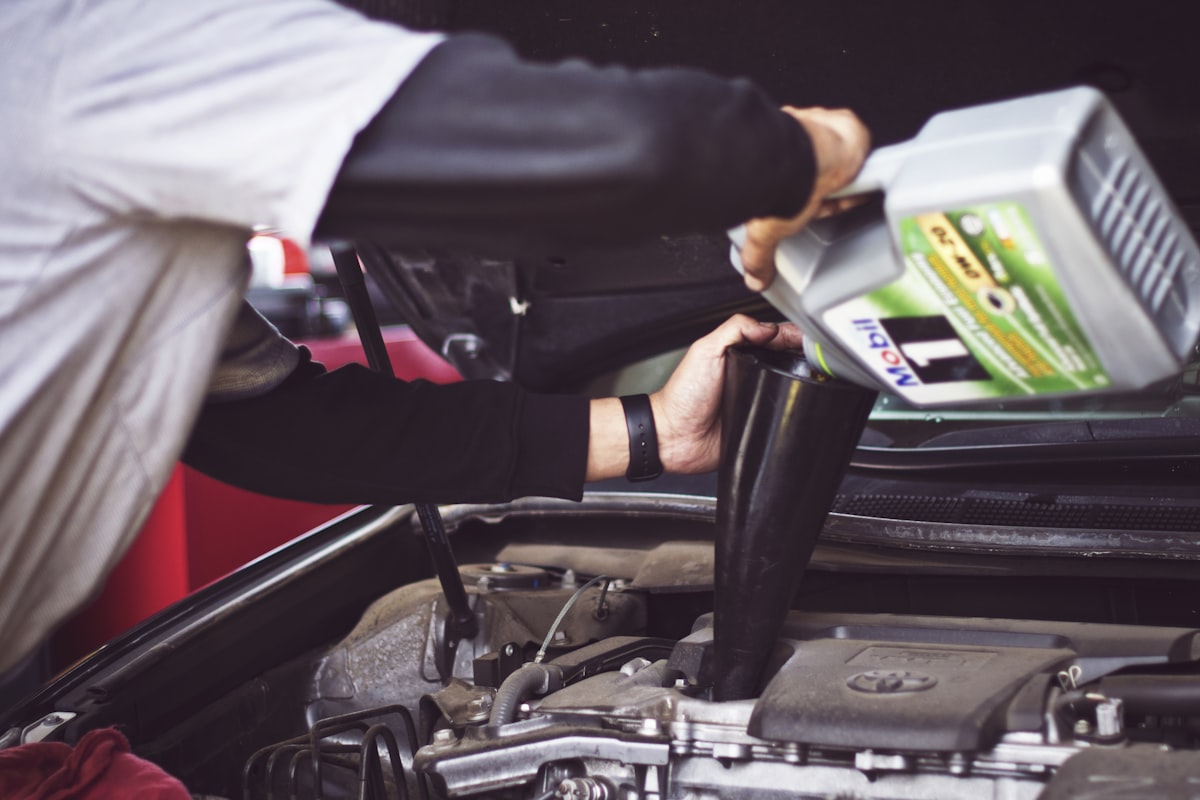
Oil changes on-island start around $40 to $75 for conventional oil at the Orange Avenue service station. Smog checks in San Diego County average $50 to $60 at STAR-certified stations. Car washes run $10 to $25 for an automated bay, depending on the package tier.
The bigger cost most Coronado car owners underestimate is salt-air maintenance. Ceramic coatings run $500 to $1,500, undercarriage rust-proofing treatments add $150 to $300 annually, and professional detailing every quarter costs $150 to $250 per session. Skip that maintenance and the ocean air starts eating through clear coat and metal within months — vehicles parked outdoors on Coronado corrode measurably faster than cars garaged a few miles inland.
Can I get everything my car needs without leaving Coronado?
For everyday maintenance — gas, car washes, oil changes, smog checks, and brake inspections — Coronado's Orange Avenue handles it. The Shell station at 900 Orange Avenue operates a full-service repair bay alongside its pumps and wash bays, covering the basics for sedans, trucks, and SUVs.
What the island does not have: a tire shop, an auto body or collision shop, a transmission specialist, an auto parts store, or a dealership service center. The island's footprint is small enough that specialty automotive businesses have never had the customer volume to sustain a storefront here. For anything beyond routine oil changes and brake work, Coronado drivers cross the Coronado Bridge — Point Loma's Rosecrans Street corridor has 120-plus automotive businesses within a ten-minute drive, including independent mechanics, tire shops, body shops, and parts stores.
Avis and Enterprise both operate rental counters on Orange Avenue for visitors who need a temporary vehicle. Mobile mechanics and detailers who serve Coronado from the mainland are another option for residents who want service at their driveway without crossing the bridge.
Can you rent a car or golf cart on Coronado Island?
Avis and Enterprise Rent-A-Car both operate storefronts on Orange Avenue in Coronado, within walking distance of Hotel Del Coronado and the Village commercial district. Economy car rentals start around $27 to $50 per day depending on season and vehicle class, with summer and holiday weekends running higher.
Coronado Golf Cart Rentals at 1331 Orange Avenue rents electric, street-legal carts in 4-passenger, 6-passenger, and 8-passenger configurations. Hourly rentals start around $75, full-day rentals run $119 to $179, and the company has operated on the island since 2013 as a family-owned business. Carts are legal on all streets within Coronado Village but cannot cross the Coronado Bridge.
Visitors arriving by ferry can walk to both Enterprise and Avis from the Coronado Ferry Landing in about 15 minutes along the bayfront path — or grab a rideshare for the two-minute hop. For the lowest car rental rates in the area, the San Diego Airport Rental Car Center sits roughly ten minutes across the bridge and typically undercuts on-island prices by $10 to $20 per day, though you lose the convenience of picking up on the island.
How do you protect your car from salt air in Coronado?
Ceramic coatings and paint protection film are the two most effective barriers against Coronado's salt air, which deposits corrosive particles on every exposed surface within blocks of Coronado Beach. A professional ceramic coating bonds to the vehicle's clear coat and creates a chemical-resistant layer that repels salt, moisture, and UV damage for two to five years — expect to pay $500 to $1,500 depending on vehicle size and coating grade.
Paint protection film covers high-impact areas like the hood, bumpers, and mirror caps with a self-healing urethane layer that absorbs chips and scratches. For full-body coverage, PPF runs $3,000 to $7,000, but most Coronado owners opt for partial coverage on the front end and rocker panels where road salt spray hits hardest.
Undercarriage rust-proofing is the piece most island car owners skip and regret. Salt spray kicks up from the road surface and settles into suspension joints, brake lines, and frame rails — areas that never get waxed or coated. A professional undercoating treatment costs $150 to $300 and should be reapplied based on your mechanic's inspection. Covered parking or a garage cuts salt exposure dramatically; vehicles parked uncovered near Ocean Boulevard corrode faster than those garaged three blocks inland on Orange Avenue.
Wax alone wears off within weeks in coastal air. It adds temporary gloss but does not provide the durable chemical barrier that ceramic coatings and PPF deliver. For Coronado residents serious about protecting a vehicle, the combination of ceramic coating over the full exterior plus PPF on the front end is the standard approach recommended by San Diego detailing shops.
How often should you wash your car if you live on Coronado?
Weekly washes are the baseline for any car living on Coronado Island, and vehicles parked outdoors within a few blocks of the beach benefit from a fresh-water rinse every two to three days. Salt particles settle on paint, glass, and wheel wells continuously in the ocean air, and a full week without washing gives them enough contact time to begin breaking down the clear coat.
Residents who garage their car can stretch to every ten days between full washes, but outdoor-parked vehicles need the weekly cadence year-round. Summer months don't change the salt exposure much — Coronado sits in ocean air twelve months a year — but spring and fall marine-layer seasons increase overnight moisture that bonds salt crystals to painted surfaces more aggressively.
Undercarriage rinses should happen at the same frequency as exterior washes. Wheel wells, brake calipers, and suspension components corrode faster than body panels because they never receive wax, sealant, or coating protection. The car wash options on Coronado include automated bays with undercarriage spray settings that handle this in a single pass.
Most long-term Coronado car owners settle into a rhythm: weekly automated wash on-island for the exterior and undercarriage, plus a quarterly professional detail to catch the salt buildup that automated washes miss — inside door jambs, under trim pieces, around fuel doors, and in the engine bay. That quarterly detail runs $150 to $250 and is the difference between a car that looks five years old at three and one that holds its finish past 100,000 miles.
Where do Coronado residents go for specialized auto work?
Point Loma's Rosecrans Street and Sports Arena Boulevard corridor is where most Coronado residents go for body work, tire replacements, transmission repair, and anything beyond routine maintenance. The corridor sits roughly ten minutes across the Coronado Bridge and has 120-plus automotive businesses — independent mechanics, chain tire shops, body and collision repair, auto glass, and full-service dealership centers.
For tire service, Discount Tire and Firestone Complete Auto Care both operate on the Point Loma side of the bridge. Independent shops like Dragonfly Automotive and Pacific Highway Auto Repair handle European and domestic makes and have built strong followings among Coronado commuters who cross the bridge for work anyway. For collision repair, Caliber Collision and Broadway Auto Glass cover body work and windshield replacements.
Downtown San Diego's Pacific Highway and Kettner Boulevard auto corridor is another option, especially for residents who take the ferry. Ocean Beach and Pacific Beach also carry automotive listings, but Point Loma remains the default because it is the fastest route off the bridge — exit at Rosecrans Street and the first repair shop is less than a mile from the off-ramp.
For specialty or luxury makes — Porsche, BMW, Mercedes — most Coronado owners drive to the Kearny Mesa dealership corridor, about 20 minutes northeast via Interstate 5. The island itself has no dealership service center of any kind.