Every car on Coronado Island is in a fight it doesn't know it's losing.
The salt air that makes the island smell like the ocean is the same salt air that's quietly corroding your brake lines, oxidizing your paint, and eating into your undercarriage. Vehicles in coastal environments experience rust formation up to 20 percent faster than cars parked inland, according to automotive detailing industry data. On Coronado — where you're surrounded by water on three sides and every breeze carries salt — that timeline compresses even further.
Here's the maintenance checklist that Coronado mechanics wish every island resident followed.
Weekly: Rinse the Salt Off
This is the single highest-impact habit on the list. A weekly rinse at one of Coronado's car wash locations — or even a garden hose at home — removes the salt film that accumulates on paint, glass, and trim before it has time to begin the corrosion process.
The critical area most people skip: the undercarriage. Salt collects underneath where you can't see it, settling into wheel wells, around brake components, and along the exhaust system. A car wash with undercarriage spray addresses this; a quick rinse at home doesn't. Make the undercarriage pass a non-negotiable part of your wash routine.
Monthly: Inspect for Early Damage
Walk around your car once a month and look for the warning signs of salt exposure. Paint discoloration or bubbling, especially around door edges, the hood lip, and the trunk seam. Gritty texture on the surface that doesn't wash away easily. Visible rust spots on any exposed metal — around wheel wells, under trim, at the base of antennas.
Catching these early is the difference between a touch-up and a body shop visit. If you spot anything, bring your car to a Coronado auto body shop for an assessment before the damage spreads beneath the surface.
Every 3–4 Months: Wax or Ceramic Coating
A wash removes salt. A wax or sealant prevents it from bonding in the first place. Coronado's auto detailing specialists apply protective coatings that create a barrier between your paint and the salt air — ceramic coatings offer the longest-lasting protection (up to several years), while traditional wax needs reapplication every three to four months.
For island residents, this isn't a luxury — it's a maintenance item. The combination of salt, sun, and moisture that Coronado delivers year-round will degrade an unprotected finish in ways that simply don't happen to cars garaged in Poway or El Cajon. Think of it as sunscreen for your car: the protection has to be in place before the damage starts.
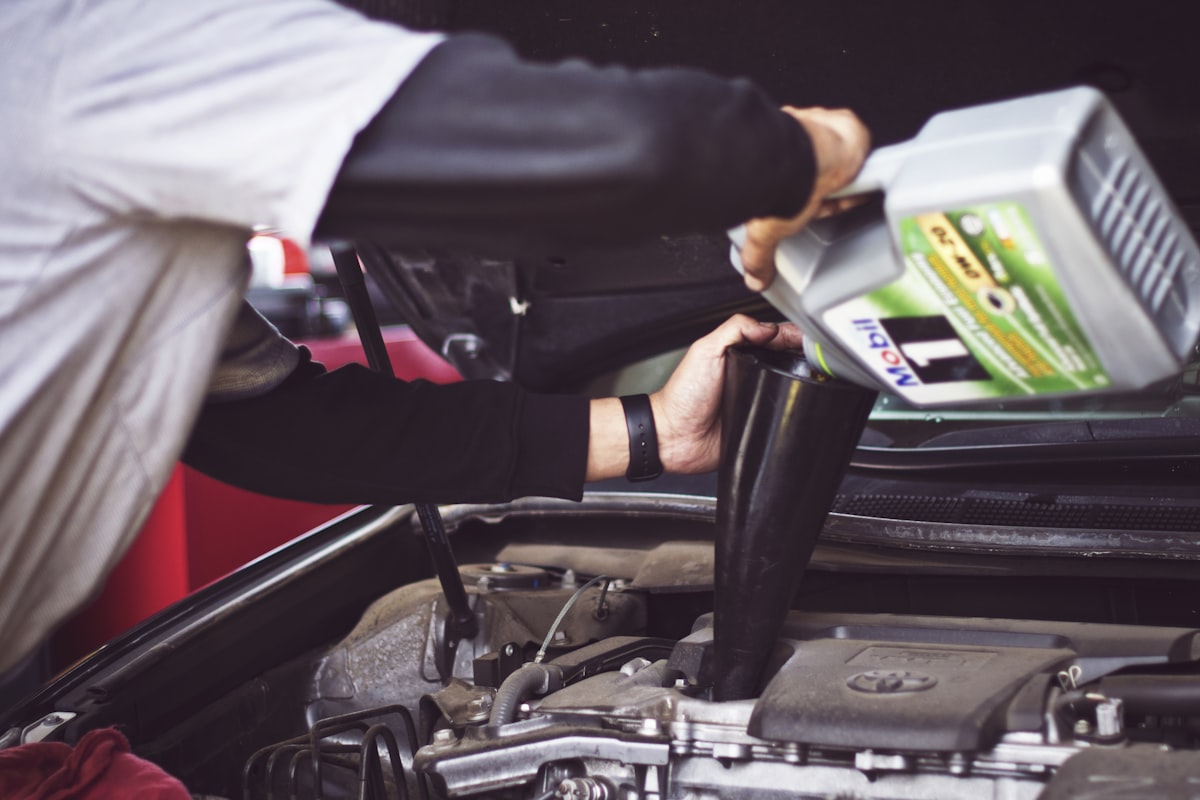
Every 3,000–5,000 Miles: Oil Change (Don't Stretch It)
The standard recommendation for modern vehicles is an oil change every 5,000–7,500 miles. On Coronado, err toward the shorter end. Salt air doesn't directly contaminate your oil, but the coastal humidity and temperature cycling create more condensation inside the engine, which degrades oil faster.
Coronado's oil change and quick lube services can handle this in under 30 minutes. While you're there, ask them to check your battery terminals — salt corrosion on terminals is one of the most common causes of no-start situations on the island, and a quick cleaning during an oil change prevents it.
Every 5,000 Miles: Tire Check and Rotation
Sand tracked from the beach acts like fine-grit sandpaper on your tire tread. Coronado's compact layout means lots of short trips and frequent turns, which accelerates uneven wear. A rotation every 5,000 miles keeps wear patterns even and extends tire life.
Coronado's tire service shops can also check for salt corrosion on wheel rims and valve stems — both of which fail faster in coastal environments than inland. A corroded valve stem is a slow leak you won't notice until you're climbing the Coronado Bridge with low tire pressure, which is exactly where you don't want a tire problem. (See our guide: What to Do If You Break Down on the Coronado Bridge.)
Every 6 Months: Brake Inspection
Brakes are the most safety-critical system affected by salt air. Brake rotors, calipers, and lines are all metal components exposed to the elements, and salt accelerates the corrosion that leads to reduced stopping power, squealing, and eventual failure.
A brake inspection at a Coronado auto repair shop every six months catches corrosion-related wear before it becomes dangerous. If your mechanic finds significant buildup, they can clean and treat the components — far cheaper than replacing corroded brake lines.
Annually: Full Undercarriage Treatment
Once a year, invest in a professional undercarriage treatment — a rubberized spray or rust inhibitor that seals the metal underneath your car against salt and moisture. This is the single best investment for extending the lifespan of a Coronado vehicle. Your island auto repair shop or detailing service can apply it during a regular service visit.
This matters especially for anyone who drives on the Silver Strand, parks near the beach, or regularly crosses the bridge — all activities that expose the undercarriage to direct salt spray.
The Coronado Car Care Calendar
| Frequency | Service | Where |
|---|---|---|
| Weekly | Rinse and car wash with undercarriage | Car Wash |
| Monthly | Visual inspection for rust and paint damage | You (driveway check) |
| Every 3–4 months | Wax, sealant, or ceramic coating | Auto Detailing |
| Every 3,000–5,000 miles | Oil change + battery terminal check | Oil Change |
| Every 5,000 miles | Tire rotation + valve stem inspection | Tire Service |
| Every 6 months | Brake inspection | Auto Repair |
| Annually | Full undercarriage rust treatment | Auto Repair or Detailing |
What Happens If You Skip It
The math isn't abstract. Rust-related repairs typically cost between $500 and $2,000 depending on severity, and coastal vehicles that go without preventive maintenance can show significant corrosion damage within five to seven years. A full year of the maintenance schedule above — weekly washes, quarterly detailing, oil changes, and an annual undercarriage treatment — costs a fraction of one major rust repair.
The cars that last longest on Coronado aren't necessarily the newest or most expensive. They're the ones whose owners treat salt air like the slow-motion threat it is and stay ahead of it with consistent, unglamorous maintenance.
Keep your Coronado mechanic on speed dial, your car wash membership active, and your roadside assistance card in the glovebox. The island rewards people who take care of their cars — and the bridge punishes people who don't.