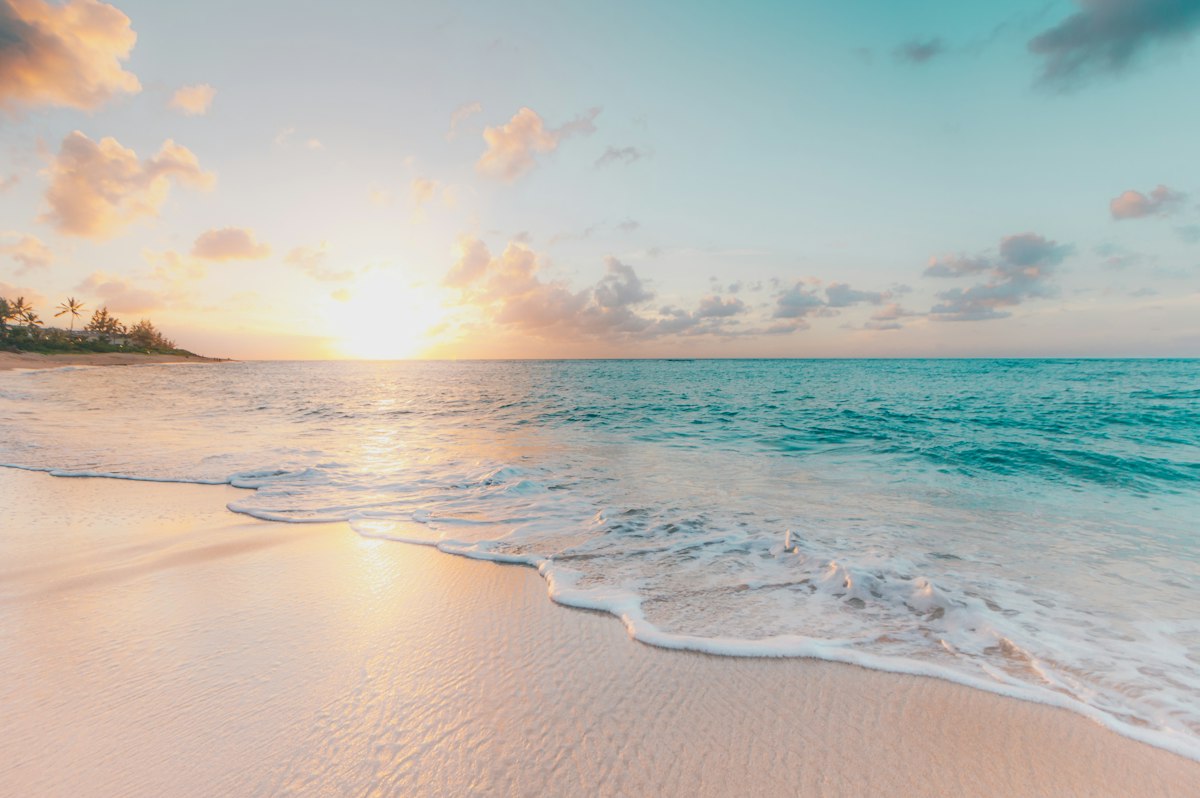
Living on Coronado Island means living in the sun. San Diego's UV index hits extreme levels — peaking at 11 during May and June — with even winter months hovering in the moderate-to-high range from February through October. That year-round exposure makes the tanning question more than cosmetic for island residents: it's a skin health decision you're making every single day.
Here's what the science says, what the salt air does to each option, and how Coronado's tanning studios are adapting to coastal conditions.
The UV Tanning Problem on Coronado
The appeal is obvious — step outside, lay on Coronado Beach, and let the Pacific sun do the work. But the medical consensus has hardened significantly over the past decade.
The Skin Cancer Foundation reported in March 2025 that individuals who first use an indoor tanning bed before age 35 increase their melanoma risk by 75 percent. A study they cited found that among 63 women diagnosed with melanoma before age 30, 97 percent had used tanning beds. And the risk isn't limited to melanoma — even a single tanning bed session raises squamous cell carcinoma risk by 67 percent and basal cell carcinoma risk by 29 percent.
The FDA puts it plainly: there is no such thing as a safe UV tan. The melanin your body produces in response to UV radiation is itself a damage signal — your skin trying to protect cells whose DNA has already been altered.
San Diego compounds the problem. With UV levels reaching very high or extreme for roughly half the year, Coronado residents accumulate UV exposure faster than people in most other U.S. cities. The coastal reflection off the water intensifies it further. That base tan you're building on the beach isn't protection — it's cumulative damage that a dermatologist will see decades later.
Why Spray Tans Make More Sense on the Coast
Spray tanning uses dihydroxyacetone (DHA), which reacts with amino acids in the outermost layer of your skin to produce a temporary color change. No UV exposure. No DNA damage. The American Academy of Dermatology endorses DHA-based sunless tanners as a safer alternative to UV tanning, and both the Mayo Clinic and Cleveland Clinic have recommended spray tans over tanning beds for anyone wanting a bronzed look.
But here's the part that matters specifically on Coronado: coastal conditions change how a spray tan behaves.
BlushTan, a San Diego airbrush studio, published findings in early 2026 confirming what island tanning professionals have observed for years — spray tans fade faster near the beach. Salt air dries out the skin barrier, which accelerates the shedding of the outer skin layer where spray tan color develops. Add in ocean swimming, sand exfoliation, frequent showering after beach days, and higher sweat output from an active outdoor lifestyle, and a spray tan that lasts 7–10 days inland might only hold 3–5 days on Coronado.
That's not a reason to skip the spray tan — it's a reason to choose your studio carefully and adjust your aftercare for island life.
Making a Spray Tan Last on Coronado Island
The pros who work with coastal clients have adapted their technique. Here's what Coronado's tanning specialists recommend for island conditions:
Before your appointment: Exfoliate gently for two or three days before your session — not aggressively, just enough to clear dead skin so the DHA has a fresh, even surface. Shave or wax at least 24 hours before. Skip lotions, deodorants, and perfumes on the day of your tan.
After your session: This is where the coastal routine diverges from the standard advice. Avoid water for at least 8 hours after application — that means no ocean, no pool, no sweat session at Coronado Fitness Club or Island Yoga until the color has fully developed. When you do hit the water, rinse off with fresh water immediately afterward. Salt water and chlorine don't strip a spray tan instantly, but they dry out your skin, and dry skin sheds faster.
The daily habit that matters most: Moisturize aggressively. Tanning experts across the board point to hydration as the single biggest factor in spray tan longevity. On Coronado, where salt air is pulling moisture from your skin around the clock, that means a hydrating body wash (sulfate-free) and a rich moisturizer applied daily — not just on beach days.
Don't rely on your tan for sun protection. A spray tan provides zero UV protection. You still need SPF 30+ broad-spectrum sunscreen every time you step outside, which on Coronado is basically every day. The Skin Cancer Foundation recommends reapplication every two hours when outdoors.
The Coronado-Specific Move
The locals' approach is to schedule a spray tan two or three days before any event or beach weekend — that gives the color time to fully develop and lets you get one or two ocean sessions in before significant fading kicks in. For ongoing color, a maintenance session every 7–10 days keeps the glow consistent without the cumulative skin damage of UV exposure.
Pair your tanning appointment with a visit to a Coronado skincare studio for a hydrating facial, or book a spa day at one of the island's day spas — Lavender Flower Day Spa on Orange Avenue is a resident favorite for combining relaxation with skin health.
For bronzing studios beyond the island, check out tanning options in La Jolla and Del Mar, both a short drive up the coast.
The Bottom Line
Coronado gives you 260+ days of sunshine a year. That's a gift and a risk. Spray tanning lets you look like you live on the beach without paying the price for it decades later — and with the right aftercare adjusted for salt air and ocean water, the results hold up better than most people expect.
The sun will be here tomorrow. Your skin cells won't regenerate the DNA that UV damages today. Choose accordingly.